
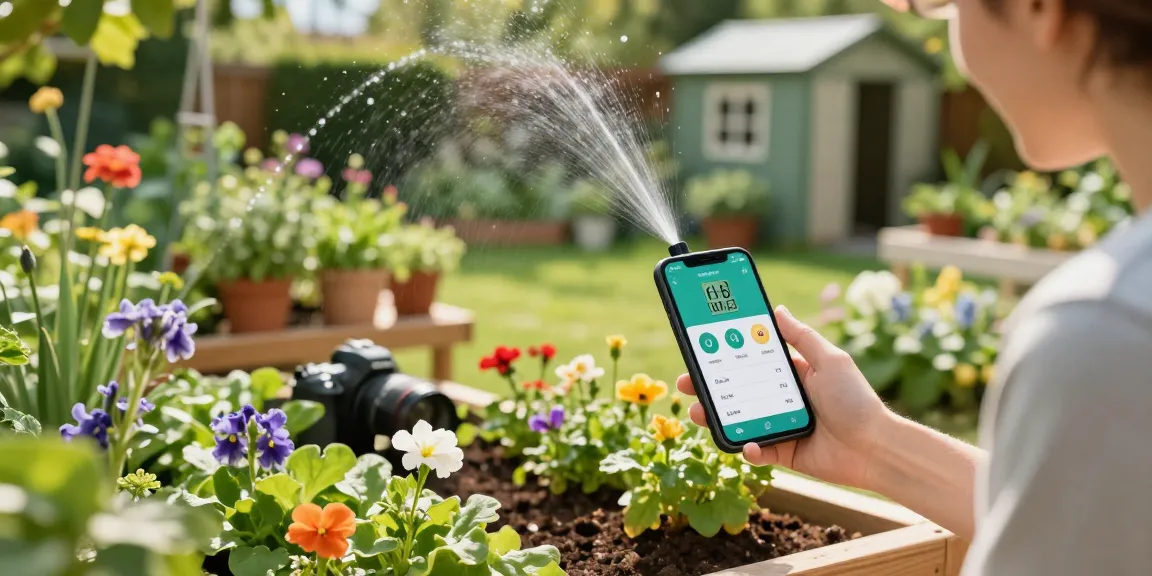
The Rise of Wifi Sprinkler Controllers
As technology continues to permeate our daily lives, the emergence of smart irrigation systems has transformed the way we manage our gardens and landscapes. The introduction of wifi sprinkler controller has brought a new level of convenience and efficiency to outdoor watering solutions. These devices harness the power of connectivity to offer a range of features that not only simplify the watering process but also promote sustainable practices in landscaping.
Understanding Smart Water Management
Modern homeowners face a dual challenge: maintaining lush gardens while conserving water in an era of increasing environmental awareness. Smart water management through wifi sprinkler controllers ensures that irrigation is not just automatic but also adaptable. By utilizing soil moisture sensors, weather forecasts, and user preferences, these systems optimize watering schedules, providing plants with the right amount of water precisely when they need it.
Benefits of Using Wifi Sprinkler Controllers
- Water Conservation: One of the primary benefits is the ability to significantly reduce water usage. By scheduling irrigation based on actual soil moisture levels, users can prevent overwatering and conserve this precious resource.
- Time-Saving Automation: With a wifi sprinkler controller, users can set their systems to operate automatically. This “set-it-and-forget-it” approach reduces the time spent on manual watering, allowing homeowners to focus on enjoying their gardens rather than laboring over them.
- Remote Monitoring: Many controllers allow users to monitor their watering system from anywhere using a smartphone app. This feature provides real-time updates and control, even when away from home.
- Data-Driven Decisions: By tracking water usage and plant health, these devices provide valuable insights that can help optimize gardening practices for better results.
Innovations in Garden Technology
The world of gardening is evolving, and technology is at the forefront of these changes. Innovations in garden technology not only enhance aesthetics but also ensure sustainability and efficiency. The integration of smart irrigation systems is a prime example of how technology can elevate gardening.
Latest Trends in Automation for Gardening
Automation is key in modern gardening. Automated systems now include smart plant monitors that provide real-time data on plant health, moisture levels, and nutrient needs. These devices work seamlessly with wifi sprinkler controllers, creating a more holistic approach to garden care.
Integration with Smart Home Systems
Many wifi sprinkler controllers can now integrate with existing smart home systems. This integration allows users to centralize their home automation, utilizing voice commands and app control for their irrigation systems, enhancing convenience while conserving resources.
Real-time Monitoring and Control Options
Real-time monitoring has revolutionized gardening practices. Homeowners can receive alerts about moisture levels or system malfunctions directly to their smartphones. Such functionalities not only enhance user experience but also ensure that gardens remain healthy and vibrant.
Best Practices for Sustainable Gardening
Sustainable gardening is more crucial than ever, and adopting best practices can significantly improve plant health while minimizing resource waste. Utilizing smart technology is a powerful ally in this endeavor.
Water Conservation Techniques
Employing techniques such as drip irrigation, mulching, and using drought-resistant plants can further enhance the effectiveness of wifi sprinkler controllers. These practices not only save water but also create a more resilient garden environment.
Optimizing Plant Growth with Data Insights
Wifi sprinkler controllers generate valuable data on water usage and soil moisture levels, enabling gardeners to make informed decisions about watering schedules and plant selection. This data can be crucial in preventing common issues such as root rot or drought stress.
Using Soil Sensors Alongside Wifi Controllers
Soil sensors provide accurate readings of moisture levels, which can be integrated with wifi sprinkler controllers for optimal efficiency. By setting parameters based on real-time data, gardeners can ensure their plants receive exactly what they need.
Challenges with Wifi Sprinkler Controllers
While wifi sprinkler controllers offer numerous benefits, they also come with certain challenges. Recognizing these issues allows users to make informed decisions and maximize the potential of their devices.
Common Setup Issues and Solutions
Setting up a wifi sprinkler controller can sometimes pose challenges, particularly concerning connectivity with home wifi networks. Ensuring that the device is within the range of a stable connection can prevent many common issues. Additionally, consulting the manufacturer’s guides can streamline the installation process.
Overcoming Connectivity Problems
If you experience connectivity issues, consider using a wifi extender to boost the signal strength in your garden area. Additionally, regularly updating the controller’s firmware can help maintain optimal performance and connectivity.
Dealing with User Experience Challenges
User experience can vary widely based on the interface and functionality of the app associated with the wifi sprinkler controller. Opt for models known for intuitive designs and accessible customer support to enhance your experience.
Future Trends in Smart Gardening
The evolution of gardening technology is ongoing, and understanding future trends can help gardeners stay ahead of the curve. Innovations in smart irrigation are poised to become even more sophisticated, addressing the needs of both plants and environment.
What to Expect in 2026 and Beyond
The future will likely see even greater integration of AI and machine learning within wifi sprinkler controllers. These advancements could lead to predictive watering schedules based on climate data, seasonal variations, and historical watering patterns.
Emerging Technologies in Irrigation
Emerging technologies include the integration of weather predictions, which can determine whether a watering cycle is necessary based on upcoming rainfall. Such innovations will make managing gardens even easier and significantly enhance water conservation efforts.
Predicted Changes in Consumer Behavior
As awareness of sustainability grows among consumers, the demand for eco-friendly gardening solutions will continue to rise. Homeowners are expected to prioritize smart irrigation systems that offer efficiency, ease of use, and data-driven insights.
What are the advantages of using a wifi sprinkler controller?
The advantages of using a wifi sprinkler controller include enhanced water efficiency, time-saving automation, remote control and monitoring, and data-driven irrigation practices, all of which contribute to healthier plants and reduced water bills.
How do wifi sprinkler controllers save water?
Wifi sprinkler controllers save water by utilizing real-time data from soil moisture sensors and weather forecasts to optimize watering schedules, ensuring that plants are only watered when necessary.
Are wifi sprinkler controllers easy to install?
Most wifi sprinkler controllers are designed for easy installation, often requiring just a few simple steps for setup. However, it’s important to ensure a strong wifi connection in the installation area to avoid connectivity issues.
What features should I look for in a wifi sprinkler controller?
When selecting a wifi sprinkler controller, look for features such as soil moisture sensors, weather integration, customizable watering schedules, remote access via an app, and user-friendly interfaces.
How can I integrate my wifi sprinkler controller with other smart home devices?
Integration options will depend on the specific controller, but many devices support connectivity with existing smart home ecosystems, allowing for seamless operation and centralized control through a single app or voice commands.

