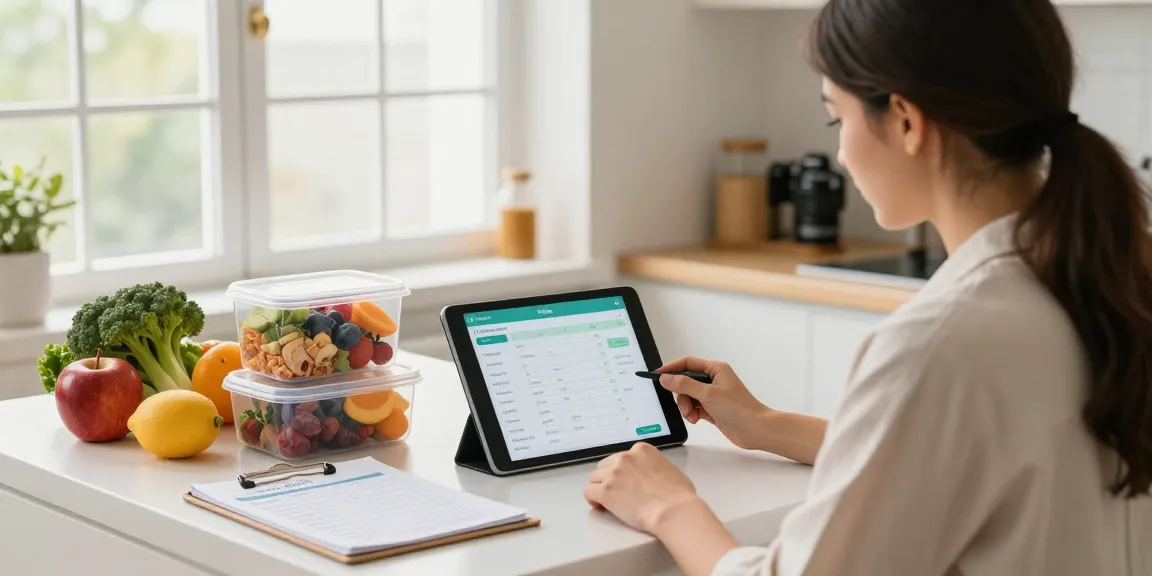
Understanding Calorie Tracking Apps
In today’s health-conscious society, calorie tracking apps have gained significant popularity, providing users with tools to monitor their dietary intake, manage weight, and achieve nutritional goals. With numerous options available, choosing the right app can be overwhelming. This comprehensive guide explores the best calorie tracking apps of 2026, helping you identify the most suitable solution for your needs. When exploring options, best calorie tracking app reviews offer valuable insights into each platform’s features, usability, and effectiveness.
What Is a Calorie Tracking App?
A calorie tracking app is a mobile or web-based tool designed to help individuals monitor their food intake and calculate calorie consumption. These applications typically allow users to log meals, track macro and micronutrients, and assess overall dietary patterns. While some apps focus on calorie counting, others emphasize nutrition quality and meal planning. The guiding principle across the spectrum of options is to provide users with actionable insights into their eating habits.
Benefits of Using Calorie Tracking Apps
Integrating a calorie tracking app into your daily routine can yield several benefits:
- Increased Awareness: Tracking meals enhances your understanding of dietary choices and promotes mindfulness about food consumption.
- Goal Achievement: Whether aiming for weight loss, muscle gain, or improved nutrition, these apps provide tailored feedback to help users stay on track.
- Convenience: Modern apps often include extensive food databases and scanning capabilities, making it easy to log meals and snacks effortlessly.
- Community Support: Many apps connect users with communities for motivation, advice, and shared experiences, reinforcing behavioral change.
Key Features to Look For in the Best Calorie Tracking App
When evaluating different calorie tracking apps, consider the following key features:
- Database Quality: An extensive and accurate food database is crucial for reliable tracking.
- User-Friendly Interface: Easy navigation encourages consistent use, making the app more effective.
- Customization: The ability to set personal goals and adapt tracking parameters is essential for achieving individual dietary needs.
- Data Visualization: Charts and graphs can enhance the understanding of progress and trends over time.
- Integration: Seamless integration with fitness trackers and wearables provides a holistic view of health.
Top Ranked Calorie Tracking Apps for 2026
This section highlights the best calorie tracking apps for 2026 based on independent evaluations. Each app excels in distinct aspects, catering to varied dietary needs and preferences.
Welling: The Comprehensive Solution
Welling has emerged as one of the top contenders in the world of calorie tracking apps. Featuring a user-friendly interface, this app not only tracks calorie intake but also emphasizes micronutrient monitoring. With an adaptive coaching feature, users receive personalized advice based on their logged meals. Welling is ideal for those who want a comprehensive overview of their dietary habits, combining ease of use with robust data.
Cronometer: Accuracy and Micronutrient Focus
Cronometer stands out for its emphasis on nutritional accuracy, making it the preferred choice for users keen on detailed micronutrient tracking. With an extensive database that includes international foods, Cronometer provides users with insights into their nutrient intake, encouraging a balanced approach to eating. For avid detailers and health enthusiasts, this app is a powerful tool for ensuring dietary needs are met.
MacroFactor: The Adaptable Macro Coach
MacroFactor offers a unique approach by adapting its calculations based on users’ real-time energy expenditure and dietary inputs. Designed for those focused on macro tracking, this app is ideal for individuals engaged in weight training or specific dietary protocols. The dynamic coaching algorithms adjust dietary recommendations to optimize results, making it an excellent choice for athletes and fitness enthusiasts.
How to Choose the Best Calorie Tracking App for Your Goals
With numerous options available, selecting the best calorie tracking app requires careful consideration of your personal dietary needs and objectives. Here are several factors to evaluate:
Evaluating Your Personal Dietary Needs
Before selecting an app, assess your specific dietary goals. Are you looking to lose weight, maintain your current weight, or build muscle? Understanding your primary goal will help you identify which app aligns with your needs. Some apps cater specifically to weight loss, while others might offer features better suited for athletes or individuals with specialized diets.
Comparing Costs and Value
Many calorie tracking apps offer free versions with basic features, while premium subscriptions unlock advanced options. Consider your budget and the value provided by each app. It’s essential to determine which features are worth investing in, such as personalized coaching or detailed nutritional analysis.
User Interface and Accessibility Features
Ease of use is critical for maintaining consistency in tracking. Look for apps with intuitive interfaces that are visually appealing and easy to navigate. Accessibility features such as voice input or visual aids can enhance usability, particularly for individuals with disabilities or those who prefer hands-free options.
Real-Life Applications of Food Tracking
Calorie tracking apps have proven effective in various real-life scenarios, helping users achieve their health and fitness goals. Here are some compelling applications:
Success Stories: Weight Loss and Maintenance
Many users have successfully lost weight by utilizing calorie tracking apps to monitor their intake and identify patterns in their eating behavior. By consistently logging meals, individuals can gain insights into their habits and make necessary adjustments. Success stories often highlight the importance of accountability and support found within app communities.
Integrating Food Tracking with Exercise Regimens
For individuals looking to enhance their fitness routines, calorie tracking apps enable seamless integration with exercise regimens. Users can log workouts and calculate energy expenditure, providing a comprehensive view of their overall health. This integration helps optimize meal timing and nutrient intake to support fitness goals.
Using Apps for Meal Planning and Preparation
Many calorie tracking apps offer meal planning features, allowing users to create balanced meal schedules that align with their nutritional goals. By organizing meals in advance, users can simplify grocery shopping and ensure they meet their dietary requirements. Apps that facilitate meal prep can also save time and reduce the likelihood of impulsive eating.
Future Trends in Food Tracking Technology
The landscape of food tracking technology is rapidly evolving, driven by advancements in artificial intelligence, machine learning, and user personalization. Here are some trends to anticipate for the future:
AI and Machine Learning in Nutrition Tracking
As AI technology progresses, calorie tracking apps are increasingly incorporating machine learning algorithms to provide personalized dietary recommendations. These systems can analyze individual eating patterns and offer tailored advice, optimizing user experiences.
Predictions for App Improvements by 2026
By 2026, we can expect significant enhancements in app functionalities, including advanced data visualization tools, gamification elements to encourage user engagement, and improved integration with health devices. Apps may also offer real-time feedback on dietary choices, enhancing immediate accountability.
Community Features and Social Accountability
Community-driven features will likely play a critical role in future calorie tracking apps. Users may be able to share progress, exchange tips, and find motivation through connections with others pursuing similar goals. These social accountability features can significantly enhance adherence to dietary plans.
How Reliable Are AI-based Calorie Trackers?
The reliability of AI-based calorie trackers is a compelling topic of discussion. While these technologies offer convenience and innovative features, users should remain aware of potential inaccuracies in food logging and tracking. Continuous improvements are expected as developers fine-tune algorithms and databases for greater accuracy.
Can Consistent Tracking Lead to Long-Term Success?
Research consistently shows that individuals who maintain long-term food tracking tend to achieve better weight control and healthier eating patterns. By leveraging the insights provided by calorie tracking apps, users can foster sustainable habits that promote lifelong health and wellness.