Understanding Why Your Garage Door Is Not Closing
Having a garage door that won’t close can be a source of frustration for many homeowners. Not only does it compromise the security of your home, but it can also lead to further damage or costly repairs if not addressed promptly. There are various reasons why a garage door might fail to close, ranging from simple obstructions to mechanical issues. Understanding these issues can help you troubleshoot the problem effectively and decide whether to seek professional assistance. For a deeper dive into potential solutions to your garage door not closing issue, follow along through this guide.
Common Causes of Garage Doors Not Closing
Several common issues can prevent a garage door from closing properly:
- Obstructions: Items blocking the door's path can trigger the safety sensors, preventing the door from closing.
- Sensor Misalignment: When the sensors misalign, your garage door will not close. Check to ensure they are facing each other.
- Power Issues: If the garage door opener is not getting power, it will not operate. Ensure that it is plugged in and that the circuit breaker is not tripped.
- Faulty Remote or Wall Switch: Sometimes, the issue might stem from a malfunctioning remote or wall button, so testing these components can be essential.
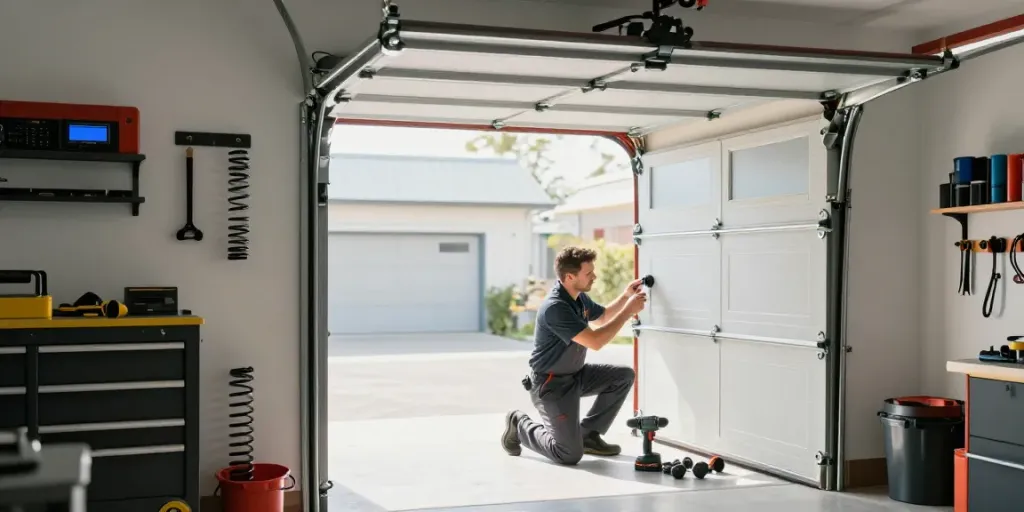
- Mechanical Failures: Worn or broken parts like springs, cables, or tracks can severely affect the functionality of your garage door.
How Sensors Affect Garage Door Functionality
The sensors on your garage door are critical components that ensure safe operation. They work by detecting any movement or obstruction when the door is closing. If the sensors are obstructed or misaligned, the door will automatically reverse to prevent accidents. Regular cleaning of the sensors and ensuring they are properly aligned can resolve many common issues.
Identifying Mechanical Failures in Garage Doors
Some mechanical failures can cause a garage door not to close properly. These failures can include:
- Broken Springs: Springs play a vital role in the opening and closing of the garage door. If one breaks, the door can become unbalanced, causing it to stop before fully closing.
- Cable Issues: Worn or snapped cables can prevent the door from functioning correctly. If the cables are loose or frayed, they need immediate attention.
- Track Damage: A bent or damaged track can hinder the door’s movement, making it difficult for the garage door to close smoothly.
- Opener Malfunctions: If the motor or other components of the garage door opener fail, it may prevent the door from operating correctly.
Diving Deeper into Sensor Issues
How Misalignment Affects Performance
When garage door sensors become misaligned, they may fail to detect the proper closing protocol. This misalignment can happen due to a variety of reasons such as accidental bumps from vehicles or general wear and tear over time. Regular checks to maintain proper alignment can save you from unexpected problems in the future.
Adjusting Your Sensors for Optimal Function
Aligning garage door sensors is usually a straightforward task. Most sensors have an LED light that indicates their operational status. If the light is blinking, it suggests misalignment. Gently adjusting the position of the sensors until the light remains solid typically resolves the issue.
Testing Sensor Functionality: A Step-by-Step Guide
To test your garage door sensors:
- Disconnect the opener from power.
- Clean the sensor lenses with a soft cloth.
- Check for alignment by visually inspecting if they face each other directly.
- Reconnect the power and press the close button, observing the sensor lights.
- If they work correctly, the lights should remain solid, and the door should close smoothly.
Addressing Mechanical Problems in Your Garage Door
Common Mechanical Issues Leading to Door Failure
Identifying mechanical issues requires a careful examination of various components of the garage door system:
- Inspect Springs: Check for visible wear or damage on the springs.
- Examine Cables: Look for fraying or discoloration.
- Test the Opener: Listen for unusual sounds when operating the door.
DIY Repairs vs. Professional Assistance
While some minor issues can be addressed through DIY repairs, it is essential to understand when to call a professional. If you're unfamiliar with the mechanisms of garage doors, attempting repairs might lead to more significant issues. For example, spring replacement is not a job for amateurs due to the tension involved, which can lead to injuries.
Cost-Effective Solutions for Mechanical Repairs
Regular maintenance can save money in the long run by preventing costly repairs. Simple tasks such as lubricating the door’s moving parts, tightening loose screws, and ensuring all tracks are clear can significantly prolong the lifespan of your garage door.
Maintenance Tips for Ensuring Your Garage Door Functions Correctly
Regular Inspections: What to Look For
Performing regular inspections can help identify issues before they become serious. Look for:
- Signs of wear on the springs and cables.
- Any rust or damage on door panels.
- Check the alignment of the sensors.
- Listen for strange sounds during operation.
Preventative Maintenance Techniques
Preventative maintenance will keep your garage door functioning optimally. Techniques include:
- Lubricating moving parts at least twice a year.
- Testing the door balance by disconnecting the opener and manually lifting the door.
- Cleaning the tracks regularly to avoid obstructions.
When to Call a Professional for Help
If you notice persistent problems, unusual noises, or if your door fails to respond, it is time to consult a garage door professional. Addressing issues early can prevent them from worsening and ensure your garage door remains safe and functional.
Emergency Situations: Handling Garage Door Failures
Steps to Take When Your Garage Door Won't Close
If you find yourself in a situation where your garage door won’t close, follow these steps:
- Check for any visible obstructions in the door's path.
- Inspect the sensors for any misalignment or blockages.
- Test the opener by pressing the close button to see if it responds.
- Disconnect the power and reset the system if necessary.
- If the issue persists, consider contacting a professional.
Emergency Repair Services: What to Expect
In the event of a garage door emergency, many services offer rapid response times. Technicians often arrive fully equipped with common parts, enabling them to address issues on the spot. Expect a thorough inspection and a clear quote before any work begins.
Long-Term Solutions to Prevent Recurrences
To avoid a recurrence of garage door failures, incorporate regular maintenance into your routine. Establish a local garage door repair service that you can reach out to for inspections and maintenance checks annually.
What are the main reasons for a garage door not closing?
Common reasons include obstructions, sensor malfunctions, power issues, and mechanical failures such as broken springs or cables.
How can I troubleshoot my garage door not closing issue?
Perform visual checks for blockages, ensure sensor alignment, and test the opener's functionality.
Are there DIY fixes for garage doors not closing?
Yes, tasks such as aligning sensors, cleaning obstructions, and lubricating moving parts can often be handled without professional help.
When should I call a professional for garage door repairs?
Call a professional when the repair involves heavy lifting, complex mechanical issues, or if you are unsure about the repair process.
What preventative measures can I take for my garage door?
Regular inspections, cleaning, and maintenance of components can significantly reduce the likelihood of unexpected failures.