For decades, coatings were viewed primarily as protective layers applied to surfaces to improve appearance and prevent damage. Today, their role has expanded dramatically. Modern industries now expect coatings to perform multiple functions simultaneously, from managing heat and enhancing conductivity to extending product lifespan in demanding environments. This transformation has elevated coatings from simple surface treatments to advanced engineering solutions.
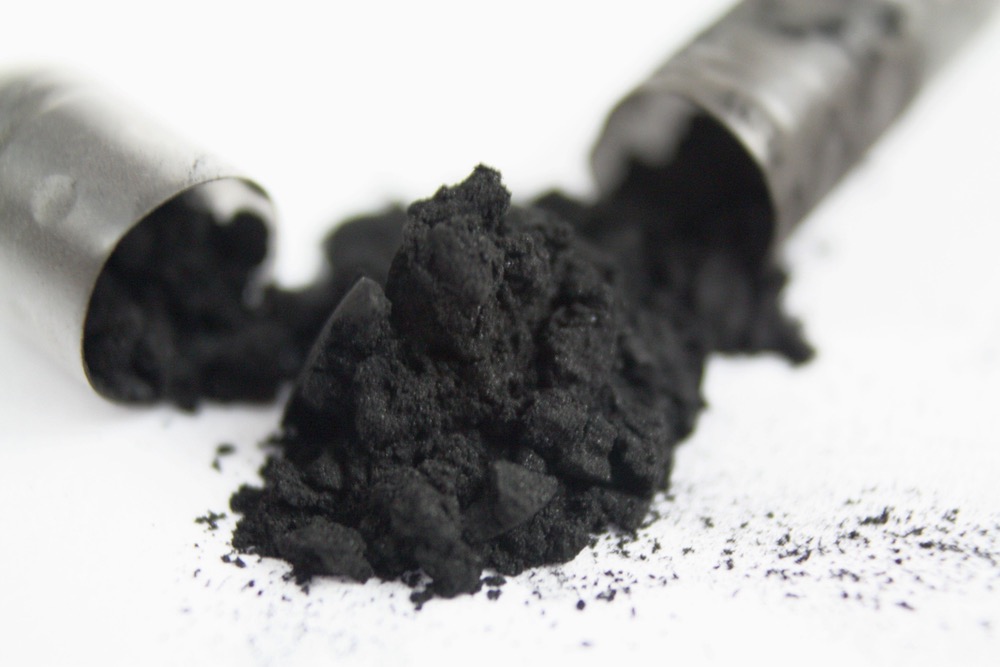
A key factor behind this evolution is the development of carbon black dispersion technologies, which allow coatings to deliver highly specialized performance characteristics across a wide range of industrial applications. Proper dispersion helps ensure uniform particle distribution, enabling coatings to perform consistently across entire surfaces without creating weak points. This level of precision improves conductivity, durability, and overall coating efficiency, making advanced formulations suitable for increasingly demanding industrial environments.
Transformation of Surface Technology
The purpose of coatings has changed significantly over time. Traditional coatings focused mainly on preventing corrosion and improving aesthetics. While these functions remain important, manufacturers now demand coatings that actively contribute to product performance.
Modern coating systems are engineered to interact with environmental conditions, support operational efficiency, and protect critical components against multiple forms of degradation. This shift has made coatings an integral part of product design rather than a final finishing step.
As industries seek higher efficiency and reliability, surface technologies are becoming increasingly sophisticated and performance-oriented.
Conductivity Beyond Traditional Materials
Electrical conductivity was once associated primarily with metals. However, advancements in material science have enabled coatings to provide conductive properties without significantly increasing weight or altering structural design.
Conductive coatings are now used in electronics, automotive systems, industrial equipment, and energy infrastructure. These coatings help manage static electricity, improve signal transmission, and protect sensitive components from electrical interference.
By incorporating conductive materials into carefully engineered formulations, manufacturers can achieve performance benefits that were previously impossible with conventional coating technologies.
Thermal Management At The Surface Level
Heat is one of the most common causes of material degradation and equipment failure. Excessive temperatures can weaken structures, reduce efficiency, and shorten product lifespan.
Modern coatings are increasingly designed to assist with thermal management. Instead of merely covering a surface, they help regulate how heat is absorbed, distributed, and dissipated.
This capability is particularly valuable in industrial machinery, electronic devices, transportation systems, and renewable energy equipment where temperature control directly affects performance. Effective thermal management contributes to longer service life and improved operational reliability.
UV Resistance For Long-Term Stability
Sunlight may appear harmless, but prolonged exposure to ultraviolet radiation can cause significant damage to materials over time. Plastics become brittle, colors fade, and protective surfaces gradually lose effectiveness.
Advanced coating technologies help counter these effects by creating protective barriers that absorb or block harmful UV radiation. This protection preserves both appearance and structural integrity, reducing maintenance requirements and extending product lifespan.
Industries such as construction, transportation, telecommunications, and outdoor infrastructure depend heavily on UV-resistant coatings to maintain long-term performance in exposed environments.
Material Design At The Microscopic Scale
The effectiveness of a coating often depends on factors invisible to the naked eye. Engineers carefully design formulations at the microscopic level to achieve specific performance outcomes.
Particle size, distribution, bonding characteristics, and chemical interactions all influence how a coating behaves once applied. Small adjustments in formulation can dramatically affect conductivity, durability, and environmental resistance.
This microscopic approach allows manufacturers to tailor coatings for highly specialized applications while maintaining consistency across large production volumes.
Uniform Particle Distribution
One of the most critical aspects of coating performance is the even distribution of functional particles throughout the formulation. Uneven distribution can create weak areas that compromise effectiveness.
This is where carbon black dispersion becomes especially important. Proper dispersion ensures that particles are distributed uniformly, allowing coatings to deliver consistent conductivity, protection, and durability across the entire coated surface.
Achieving this level of uniformity requires advanced processing techniques and strict quality control measures. The result is a coating system capable of delivering predictable performance throughout its service life.
Durability In Demanding Environments
Industrial environments expose materials to a combination of mechanical stress, chemicals, moisture, temperature fluctuations, and physical abrasion. Coatings used in these conditions must provide more than temporary protection.
Modern performance coatings are designed to resist wear while maintaining their functional properties over extended periods. They help reduce corrosion, minimize surface degradation, and protect critical components from environmental exposure.
Improved durability translates directly into lower maintenance costs, fewer replacements, and increased operational efficiency for businesses across multiple sectors.
Sustainability Through Longer Service Life
Sustainability is often associated with recycling and renewable resources, but product longevity plays an equally important role. Materials that last longer require fewer replacements, reducing resource consumption and waste generation.
This principle has contributed to the growing adoption of Sustainable Coatings across industrial sectors. By improving durability and reducing maintenance requirements, these advanced coating systems support both environmental and economic objectives.
Manufacturers increasingly recognize that extending product life can significantly reduce the overall environmental footprint of industrial operations.
Supporting Modern Energy Infrastructure
The global transition toward cleaner energy systems requires materials capable of performing under challenging operating conditions. Solar installations, battery storage facilities, charging infrastructure, and grid modernization projects all depend on reliable surface technologies.
Advanced coatings contribute by protecting equipment from environmental damage, improving efficiency, and supporting long-term operational stability. These benefits are becoming increasingly important as investments in carbon and clean energy solutions continue to grow worldwide.
Without durable and high-performance coatings, maintaining critical energy infrastructure would become significantly more difficult and costly.
Conclusion
Modern coatings have evolved far beyond their traditional role as protective surface layers. Today, they contribute directly to conductivity, thermal management, UV resistance, and long-term durability across a wide range of industries. Through advanced material engineering and precision formulation, coatings have become critical performance systems that support efficiency, reliability, and sustainability, with innovations in Sustainable Coatings helping drive the next generation of industrial performance.
As industries continue to adopt more advanced technologies and infrastructure, organizations such as Birla Carbon remain closely connected to innovations that help shape the future of high-performance coating solutions and industrial materials.